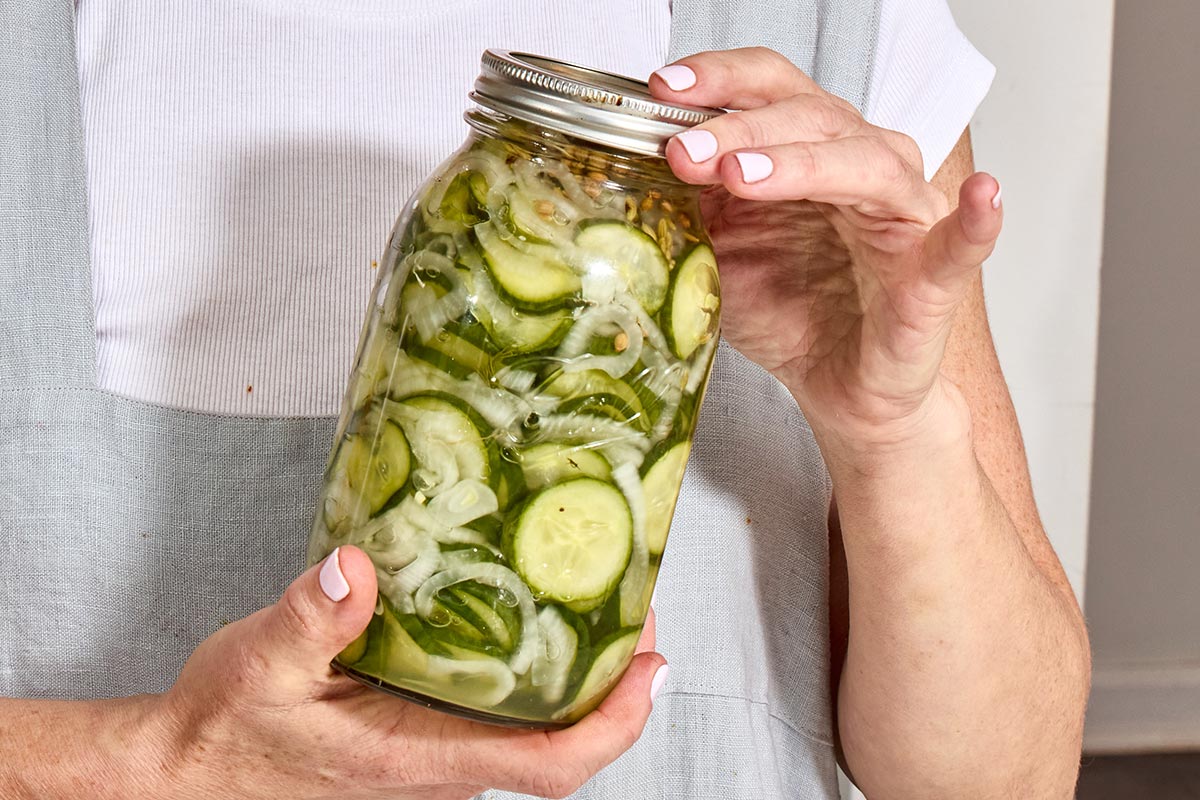
Skip Canning: Effortless Refrigerator Pickles for Zesty Crunch
Forget the intimidating world of boiling water baths and sterile jars! If the thought of traditional canning has kept you from the joy of homemade pickles, prepare for a revelation.
Refrigerator pickles offer all the crisp, zesty flavor you crave with none of the hassle. They are the ultimate quick and easy solution for adding a vibrant, acidic punch to your meals, transforming simple cucumbers and onions into irresistible bites. This method is perfect for beginners and seasoned home cooks alike, promising minimal prep and maximum flavor. Get ready to discover your new favorite way to preserve fresh produce and elevate your culinary creations.
What Are Refrigerator Pickles, Anyway?
At its heart, a refrigerator pickle is exactly what it sounds like: a vegetable (most commonly cucumber) preserved in a vinegary brine and stored in the refrigerator. The key difference from traditional canned pickles is the absence of a heat-processing step. This means no special equipment like pressure canners or boiling water baths, no intricate sterilization, and no lengthy processing times. Instead, you simply prepare a brine, pour it over your chosen vegetables, and chill.
The magic of refrigerator pickles lies in their simplicity and the resulting texture. Without the intense heat of canning, the vegetables retain more of their natural crunch and fresh flavor. This makes them wonderfully crisp, offering a satisfying snap with every bite. They're not shelf-stable like their canned counterparts, relying solely on the acidic brine and cold temperature of your fridge to inhibit bacterial growth and keep them fresh. This method is ideal for those who want to enjoy the taste of homemade pickles without the commitment or complexity of full-scale canning.
Why Choose Refrigerator Pickles Over Traditional Canning?
The advantages of opting for refrigerator pickles are compelling:
- Unmatched Crispness: The lack of high heat during processing helps vegetables, especially cucumbers, maintain their firm texture and satisfying crunch.
- Minimal Time Commitment: With often just 10-15 minutes of active preparation, you can have a batch ready for chilling.
- No Special Equipment: All you need are basic kitchen tools, a heat-proof jar, and your refrigerator.
- Fresh, Vibrant Flavor: The ingredients taste fresher and brighter since they haven't been subjected to prolonged cooking.
- Customization Galore: It's incredibly easy to experiment with different vinegars, spices, herbs, and vegetables to create unique flavor profiles.
- Perfect for Small Batches: Ideal for using up a few extra garden cucumbers or a single onion, preventing food waste without requiring a huge yield.
The Effortless Process: Making Your Own Zesty Crunch
Making
Quick & Easy Refrigerator Pickles: 10-Minute Homemade Recipe is a testament to how simple delicious food can be. The entire process, from slicing to shaking, can be completed in mere minutes, requiring only a period of chilling to allow the flavors to meld beautifully.
Essential Ingredients for Your Basic Brine
The foundation of any great pickle is its brine. For a classic sweet-and-sour refrigerator pickle, you'll need just a few pantry staples:
- Hot Water: Used in equal quantity with vinegar. The heat helps dissolve the sugar and salt quickly, ensuring a well-balanced brine.
- White Vinegar: The essential acidic component. White vinegar provides a clean, sharp tang.
- Granulated Sugar: Balances the acidity of the vinegar, lending a pleasant sweetness. You can adjust the quantity to your preference – less sugar for a tarter pickle, more for a sweeter one.
- Kosher Salt: Enhances flavor and contributes to the pickling process. Avoid iodized salt, as it can sometimes make the brine cloudy.
- Fresh Cracked Black Pepper: Adds a subtle warmth and aromatic depth.
The Star Vegetables: Cucumbers and Onions
While endless vegetables can be pickled, cucumbers are the undisputed champions.
- Pickling Cucumbers: Varieties like Kirby pickles are ideal due to their firm flesh and thinner skin. Aim for medium-sized, firm cucumbers with no blemishes.
- Sweet Onion: Half a sweet onion, thinly sliced, adds a lovely counterpoint to the cucumber. You can also experiment with red or white onions for different flavor intensities.
Preparation is Key: For the best texture and flavor absorption, thinly slice your cucumbers and onions. A mandoline slicer is highly recommended for achieving uniform, wafer-thin slices, ensuring consistent pickling and a delightful crunch. If using a mandoline, always exercise caution and use a food guard to protect your fingers. A sharp kitchen knife will also work well, just aim for evenness.
Step-by-Step Guide to Perfect Refrigerator Pickles
The process couldn't be simpler:
- Prepare Your Brine: In a heat-proof jar (a quart-sized Mason jar works perfectly), combine your hot water, white vinegar, granulated sugar, kosher salt, and fresh cracked black pepper.
- Dissolve and Shake: Secure the lid tightly on the jar and shake vigorously for about 30-60 seconds, or until the sugar and salt are completely dissolved. The hot water will expedite this process.
- Add Vegetables: Carefully add your thinly sliced cucumbers and sweet onion to the jar. Use a spoon or fork to gently push the vegetables down, ensuring they are fully submerged in the pickling brine. This is crucial to prevent spoilage and ensure even pickling.
- Chill Out: Once all vegetables are submerged, re-secure the lid and transfer the jar to the refrigerator. Allow them to chill for at least 24 hours (48 hours for optimal flavor development) before serving.
To serve, simply use a fork or slotted spoon to retrieve your crisp pickles and onions from the brine.
Unleash Your Inner Pickling Pro: Customization and Beyond
One of the most exciting aspects of making refrigerator pickles is the vast potential for customization. The basic recipe is merely a springboard for endless flavor combinations. This is where you can truly make these pickles your own!
Flavor Personalization: Beyond the Basics
Don't be afraid to experiment with your brine and aromatics to craft unique flavor profiles.
Unlock Flavor: Customize Your Refrigerator Pickles & Beyond provides even more inspiration!
- Vinegar Variations: While white vinegar is a classic, try swapping it for apple cider vinegar for a fruitier tang, white wine vinegar for a milder, more delicate profile, or even sherry vinegar for a slightly nutty complexity. Each will impart a distinct character.
- Sweetness Levels: The amount of sugar is entirely up to your palate. For a traditional sweet-and-sour pickle, the equal parts sugar to salt ratio works well. For a much tartier pickle, reduce the sugar to as little as ¼ cup per batch.
- Spice it Up! This is where the magic truly happens. Consider adding:
- Peppercorns: Black, white, or mixed peppercorns for varying levels of pungency.
- Coriander Seeds: A citrusy, earthy note.
- Red Pepper Flakes: For a delightful kick of heat.
- Mustard Seeds: Essential for that classic deli pickle flavor.
- Fennel Seeds: A subtle anise-like sweetness.
- Garlic: Sliced fresh garlic cloves (2-3 per jar) are a game-changer for a bold, savory pickle.
- Fresh Herbs: A few sprigs of fresh herbs can elevate your pickles significantly. Dill (the quintessential pickle herb), tarragon for a subtle licorice note, or parsley for a fresh, green aroma are all excellent choices.
Expand Your Pickling Horizons: Other Vegetables
The refrigerator pickle method isn't just for cucumbers and onions. It's an incredibly versatile technique that works with a wide array of vegetables. Think beyond the classic and pickle:
- Carrots: Sliced into rounds or sticks, they become wonderfully crisp and sweet-tart.
- Radishes: Offer a beautiful color and a peppery bite, mellowed by the brine.
- Zucchini: Thinly sliced zucchini rounds make a refreshing, light pickle.
- Jalapeños or Red Chili Peppers: For those who love a spicy kick, pickled peppers are fantastic on tacos, nachos, or sandwiches.
- Bell Peppers: Sliced colorful bell peppers add sweetness and crunch.
The process remains the same: slice thinly, submerge in brine, and chill.
Storage and Longevity: Keeping Your Pickles Fresh
Because refrigerator pickles are not heat-processed for canning, proper storage is paramount for both safety and flavor. Always store your homemade pickles in an airtight jar or container, fully submerged in the pickling brine. This ensures consistent flavor and prevents spoilage of any exposed vegetables. Keep the container in the refrigerator at all times. For optimal freshness and flavor, these pickles are best enjoyed within 3-4 weeks. While they might technically be safe beyond that, their crispness and vibrant taste will diminish over time.
Serving Suggestions: How to Enjoy Your Homemade Crunch
Once your refrigerator pickles are perfectly chilled and bursting with flavor, the possibilities for enjoying them are endless. They are fantastic as a simple side dish, a vibrant addition to sandwiches and burgers, or as a palate cleanser alongside rich meats. Think about adding them to:
- Pulled pork or shredded BBQ chicken sandwiches for a burst of acidity.
- Tacos, burritos, or grain bowls for an extra layer of texture and tang.
- Charcuterie boards or cheese platters as a bright counterpoint.
- Simple green salads for a zesty crunch.
Conclusion
Embracing the world of
refrigerator pickles opens up a world of fresh, zesty flavor without the complexities of traditional canning. From the satisfying crunch of a perfectly pickled cucumber to the endless customization possibilities with various spices, herbs, and vegetables, this method truly empowers you to create delicious, homemade condiments with minimal effort. It's a fantastic way to enjoy peak-season produce, add a vibrant acidity to countless dishes, and impress your taste buds. So, grab some fresh cucumbers, mix up a quick brine, and discover the effortless joy of refrigerator pickles today. Your palate will thank you!