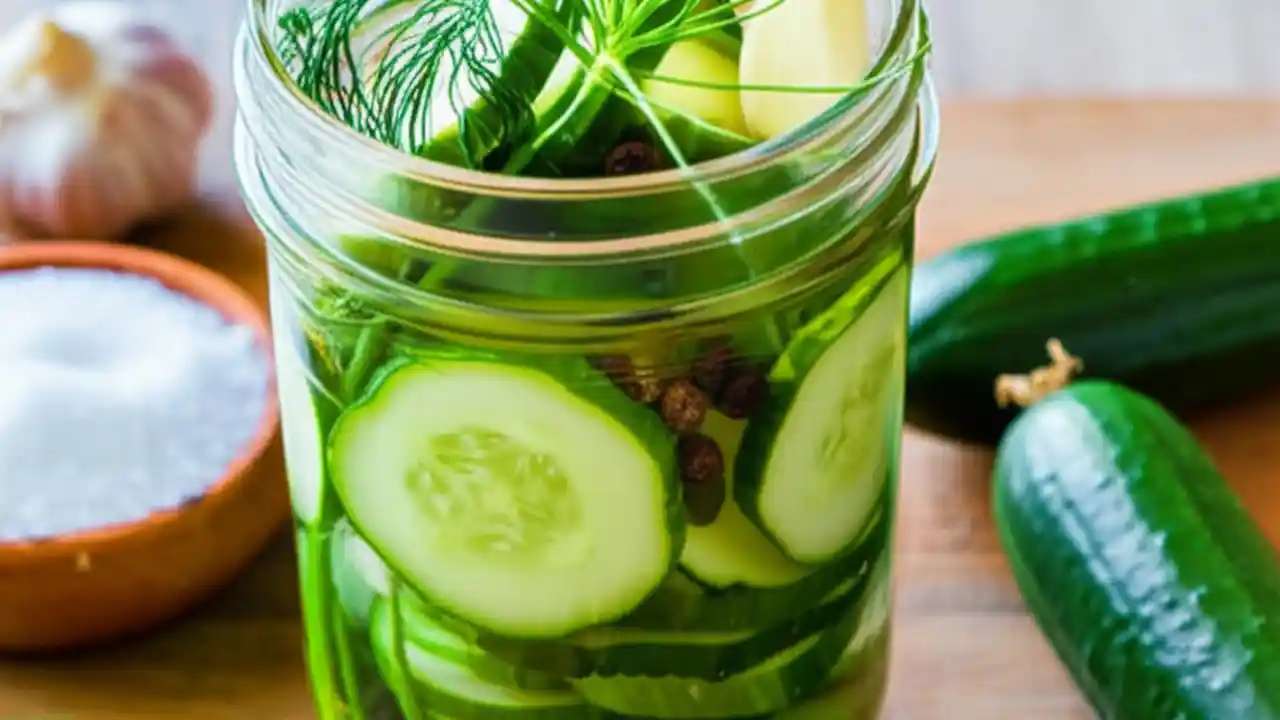
The Undeniable Appeal of Refrigerator Pickles: Freshness, Flavor, and Simplicity
Imagine biting into a perfectly crisp, tangy pickle that awakens your taste buds and adds a vibrant zing to any meal. Now, imagine making those pickles yourself, with minimal effort and endless possibilities for customization, all without the fuss and specialized equipment of traditional canning. Welcome to the wonderful world of
refrigerator pickles!
For many, the idea of homemade pickles conjures images of bubbling pots, sterile jars, and a full day dedicated to preservation. While traditional canning has its merits,
refrigerator pickles offer a remarkably simple and accessible alternative. They are the perfect entry point for beginners, requiring only about 10 minutes of active prep time and no need to heat anything beyond the brine itself. This makes them ideal for quickly transforming fresh, seasonal produce into a culinary delight. If you're eager to skip the canning effort and dive straight into fresh, zesty crunch, explore methods for
Skip Canning: Effortless Refrigerator Pickles for Zesty Crunch.
Beyond their ease, these quick pickles are incredibly versatile. Their bright acidity and satisfying crunch make them a fantastic accompaniment to rich, savory dishes like pulled pork, shredded BBQ chicken, or hearty sandwiches. They cut through fattiness, cleanse the palate, and add an essential layer of flavor that elevates a simple meal to something truly special.
Your Foundation: Mastering the Basic Brine and Vegetable Prep
The heart of any great pickle lies in its brine, and for
refrigerator pickles, this foundation is both simple and remarkably effective. The basic brine provides the perfect balance of acidity, sweetness, and saltiness that transforms ordinary vegetables into extraordinary pickles.
Crafting the Core Brine
The fundamental brine typically consists of equal quantities of hot water and white vinegar. White vinegar provides a clean, neutral acidic base that allows other flavors to shine through. The hot water is crucial not for cooking, but for efficiently dissolving the granulated sugar and Kosher salt. These two ingredients are vital:
- Granulated Sugar: Balances the sharp acidity of the vinegar, creating a pleasant sweet and sour profile. You can adjust this for a sweeter or more tart pickle.
- Kosher Salt: Enhances flavor, helps draw moisture from the vegetables, and contributes to the overall crispness. Ensure you use Kosher or non-iodized salt, as iodine can discolor pickles.
- Fresh Cracked Black Pepper: Adds a subtle, warm undertone that rounds out the flavor.
To prepare, simply combine the hot water, white vinegar, sugar, salt, and pepper in a heat-proof jar. Seal the jar and shake vigorously until the sugar and salt are completely dissolved. This simple step ensures an evenly flavored brine.
Preparing Your First Vegetables: Cucumber and Onion
While the customization options are vast, most home picklers start with classic cucumbers and onions. For optimal results, select firm, fresh pickling cucumbers like Kirbys or Persian cucumbers, free of blemishes. A mandoline is an invaluable tool for achieving uniformly thin slices, which ensures even pickling and a consistent texture. However, a sharp kitchen knife can also do the job; just remember to exercise caution.
For the onion component, a sweet onion is often preferred for its milder flavor. Thinly slice half a sweet onion to complement the cucumber. Once your brine is ready and your vegetables are prepped, add the sliced cucumbers and onions to the jar, ensuring they are fully submerged in the pickling liquid. This full submersion is critical to prevent spoilage and ensure every piece absorbs the delicious flavors of the brine. For a more detailed, step-by-step guide to this foundational recipe, we recommend our article on
Quick & Easy Refrigerator Pickles: 10-Minute Homemade Recipe.
Unlock a World of Flavor: Customizing Your Refrigerator Pickles
This is where the magic truly happens! The beauty of
refrigerator pickles lies in their incredible adaptability. Once you understand the basic brine, you can easily experiment with different vinegars, vegetables, spices, and herbs to create unique flavor profiles tailored to your personal preferences or specific dishes.
Vinegar Variations: Changing the Brine's Soul
Swapping out white vinegar can dramatically alter the pickle's character:
- Apple Cider Vinegar: Imparts a fruitier, slightly mellower tang. Great for pickles destined for salads or as a snack.
- White Wine Vinegar: Offers a more sophisticated, delicate acidity. Excellent for gourmet pickles that pair well with cheese boards.
- Sherry Vinegar: Delivers a complex, nutty, and slightly sweet flavor. Use sparingly for a rich, aromatic pickle that stands out.
Onion Options: Adding Layers of Taste and Texture
Beyond sweet onions, consider these alternatives:
- Red Onions: Add a beautiful purple hue to your pickles and a slightly sharper, more pungent bite. Fantastic for tacos or burgers.
- White Onions: Offer a crisp texture and a strong, classic onion flavor that holds up well.
- Shallots: Provide a milder, sweeter, and more delicate onion flavor, perfect for a subtle infusion.
Spice Rack Adventures: From Zesty to Fiery
The right spices can transform your
refrigerator pickles:
- Peppercorns (whole): A classic addition for a mild peppery note.
- Coriander Seeds: Impart a citrusy, slightly earthy flavor.
- Red Pepper Flakes or Sliced Jalapeños/Chili Peppers: For those who love a kick, these add varying degrees of heat.
- Fennel Seeds: Deliver a subtle, sweet, anise-like flavor.
- Mustard Seeds: A quintessential pickle spice, adding a pungent, slightly sharp edge.
- Garlic: Crushed or sliced fresh garlic cloves are a must for zesty, bold pickles.
- Dill Seed: If you're going for a classic dill pickle flavor, these are essential.
Consider combining spices! A blend of mustard seeds, dill seeds, and a few garlic cloves makes a fantastic classic dill pickle. For a spicier option, try red pepper flakes, garlic, and a touch of coriander.
Fresh Herb Infusions: Brightness and Aroma
Fresh herbs elevate the aroma and taste:
- Fresh Dill Sprigs: The undisputed king of pickle herbs, offering a clean, fresh, and slightly anissy flavor.
- Tarragon: Adds a unique licorice-like note, ideal for a more sophisticated pickle.
- Parsley: Offers a fresh, clean, and slightly peppery flavor.
- Bay Leaves: Can contribute a subtle, herbal, slightly bitter depth.
Beyond Cucumbers: A Vegetable Wonderland
The pickling process isn't limited to cucumbers! You can use this same method to pickle a wide array of other vegetables. Remember to slice them thinly and uniformly for best results:
- Carrots: Delightfully crisp with a touch of sweetness. Try julienning them.
- Radishes: Turn vibrant colors and offer a peppery, slightly bitter bite.
- Zucchini: Mild and quickly absorb the brine's flavors. Thin rounds or spears work well.
- Bell Peppers: Add sweetness and a pleasant crunch. Slice into strips.
- Green Beans: Become tender-crisp and take on a delightful tang.
Adjusting Sweetness and Tartness
The reference recipe yields a pickle that's on the sweeter side. If you prefer a tart pickle, simply reduce the granulated sugar to about ¼ cup for the same amount of brine. Don't be afraid to taste the brine *before* adding vegetables and adjust to your preference!
Expert Tips for Crunchy, Flavorful Refrigerator Pickles
Achieving consistently delicious
refrigerator pickles is easy once you know a few expert tips.
- Start with the Freshest Ingredients: The quality of your produce directly impacts the final pickle. Choose firm, blemish-free cucumbers and other vegetables. Freshness is key to achieving that satisfying "snap."
- Uniform Slicing is Key: Whether using a mandoline or a knife, aim for consistent thickness in your slices. This ensures that all pieces pickle evenly and have the same delightful texture. Always prioritize safety when using a mandoline.
- Ensure Full Submersion: This cannot be stressed enough. All vegetables must be completely covered by the pickling brine. Any exposed vegetable risks spoilage and uneven pickling. If necessary, use a fermentation weight or a small plate to keep vegetables submerged.
- Chilling Time is Essential: While prep is quick, patience is a virtue here. Refrigerator pickles need time in the fridge for the flavors to meld and for the vegetables to fully absorb the brine. While they can be enjoyed after 24 hours, they often taste best after 2-3 days and continue to develop flavor for up to a week.
- Proper Storage: Always store your homemade refrigerator pickles in an airtight jar or container in the refrigerator. Fully submerged in their brine, they will maintain optimal freshness and flavor for 3-4 weeks. Beyond that, while still safe, their texture and flavor might start to diminish.
- Serving: When ready to enjoy, simply remove the pickles and onions from the brine with a fork or slotted spoon.
Conclusion: Embrace the Art of Custom Pickling
Homemade
refrigerator pickles are a delightful culinary adventure that offers immense satisfaction with minimal effort. They are a gateway to embracing fresh, vibrant flavors and tailoring them precisely to your palate. From the simplicity of the basic brine to the boundless opportunities for customization with various vinegars, vegetables, spices, and herbs, you have the power to create pickles that are perfectly suited for any dish or craving. So, grab your freshest produce, unleash your creativity, and start unlocking an exciting world of flavor in your own kitchen. Your taste buds (and your dinner guests) will thank you!